8 Days Rwenzori Hike to Mutinda Lookout & Gorilla Trekking
This 8 day Rwenzori trekking To Mutina Lookout & Gorilla trekking offers a powerful combination of Rwenzori Mountains adventure and Mountain Gorilla expeditions, bringing together two of Uganda’s most remarkable experiences. From hiking through the legendary Rwenzori Mountains to encountering mountain gorillas in Bwindi Impenetrable National Park, this itinerary is designed for travelers seeking both challenge and unforgettable natural encounters.
Often called the “Mountains of the Moon,” the Rwenzori range is known for its dramatic scenery, ever-changing vegetation zones, and remote wilderness. This hike leads you through thick forests, bamboo belts, and high-altitude landscapes to the breathtaking Mutinda Lookout. The experience is then crowned with a once-in-a-lifetime gorilla trekking adventure in Bwindi.
Trip Summary
- Day 1: Arrival and transfer to Kasese
- Day 2: Hikk from Trekkers Hostel to Sine Camp
- Day 3: Hike to Mutinda Camp and hike to Mutinda Lookout
- Day 4: Hike to Kiharo Camp
- Day 5: Descend Kiharo camp via Nyamwamba Valley and transfer to Kasese
- Day 6: Transfer to Bwindi Impenetrable National Park
- Day 7: Gorilla trekking experience
- Day 8: Return to Entebbe and departure
Detailed Itinerary
Day 1: Transfer from Entebbe to Kasese
Upon arrival at Entebbe International Airport, you will be warmly welcomed by your professional driver-guide who will brief you about the journey ahead. You will then begin a scenic drive to Kasese in western Uganda, a gateway town to the Rwenzori Mountains. The drive takes approximately 6–7 hours and offers a rich introduction to Uganda’s countryside.
Along the way, you will pass tea plantations, roadside markets, and rural villages, giving you a glimpse into daily local life. A stopover for lunch will be made in Fort Portal, a beautiful town known for its cool climate and scenic surroundings. After lunch, continue your journey toward Kasese with views of rolling hills and distant mountains.
Upon arrival, check into your lodge, relax, and prepare for the hiking adventure ahead. Dinner will be served at the lodge, followed by an early night to ensure you are well rested for the hike beginning the next day.
Accommodation: Hotel Margherita Kasese or similar
Sandton hotel Kasese or similar
Day 2: Trekkers Hostel (1,450m) to Sine Camp (2,596m)
After an early breakfast, you will transfer to the starting point at Trekkers Hostel (1,450 meters), where your hiking experience officially begins. The trail gradually ascends through a lush Afro-montane forest, characterized by tall trees, dense vegetation, and a rich ecosystem. The hike is steady but manageable, allowing your body to adjust to the altitude.
As you move deeper into the forest, you may encounter various wildlife species, including blue monkeys and black-and-white colobus monkeys. Birdlife is also abundant, making this section especially rewarding for nature lovers. The trail is often damp and muddy, reflecting the high rainfall typical of the Rwenzori region.
As you approach Sine Camp (2,596 meters), the vegetation begins to change, with bamboo becoming more prominent. The camp is located along a narrow ridge and offers beautiful views of the surrounding valleys and waterfalls(Enock’s). In the evening, you can relax, enjoy dinner, and take in the peaceful mountain atmosphere before resting for the night.
Overnight stay: Sine camp
Meal Plan: Lunch and Dinner.
Day 3: Sine Camp (2,596m) to Mutinda Camp (3,588m) & Mutinda Lookout (3973).
Following breakfast, you will continue your hike at a steady pace, gradually ascending through bamboo forest and into the giant heather zone. The landscape becomes increasingly dramatic, with moss-covered trees, twisted branches, and unique alpine vegetation creating a surreal environment. The trail includes sections of steep climbs, small stream crossings, and occasional clearings that reveal stunning views of the surrounding valleys.
As you gain altitude, temperatures become cooler and the air thinner, making the pace more deliberate. Upon reaching Mutinda Camp (3,588 meters), you will have time to rest and recover before you hike to Mutinda Lookout at approximately 3,975 meters.
The hike to the lookout is steep but rewarding, offering panoramic views of the Rwenzori Mountains, deep valleys, and distant lowlands. This short climb also helps with acclimatization. After returning to camp, you will enjoy dinner and spend the night surrounded by the quiet beauty of the high-altitude environment.
Overnight stay: Mutinda camp
Meal Plan: Breakfast, lunch and dinner
Day 4: Mutinda Camp (3,588m) to Kiharo Camp (3430m).
Today’s hike begins with a gradual climb along a rocky stream before entering a mixture of boggy terrain and high mountain vegetation. Wooden boardwalks assist in crossing wet sections, making the journey safer and more manageable. The route then leads toward a rugged pass near the Twin Peaks area, where the landscape opens up to reveal dramatic mountain scenery.
This section of the hike offers a true wilderness experience, with fewer trees and more exposed terrain. You may spot small wildlife such as hyrax or duiker, while birds of prey circle above the cliffs. The trail then descends into a valley filled with giant lobelias and thick vegetation, creating a striking contrast with the higher rocky sections.
Upon arrival at Kiharo Camp (3,430 meters), you will have time to relax and explore the nearby waterfall. The camp is peaceful and surrounded by nature, providing an ideal setting to unwind after a challenging but rewarding day. Dinner and overnight will be at the camp.
Overnight stay: Kiharo camp
Meal Plan: Breakfast, lunch and dinner
Day 5: Descent Kiharo camp via Nyamwamba Valley and Transfer to Kasese.
The final day of hiking takes you down through the scenic Nyamwamba Valley, one of the most beautiful sections of the Rwenzori Mountains. The trail follows a river, passing through dense forest, bamboo groves, and multiple waterfalls. The descent is long but rewarding, with constantly changing scenery and opportunities to observe wildlife along the way.
As you lose altitude, the environment becomes warmer and more tropical. The sound of rushing water accompanies much of the hike, creating a peaceful atmosphere. You may encounter birds, primates, and small antelope in this section of the forest.
The hike concludes at Forest View Camp (approximately 2,580 meters), marking the end of your mountain adventure. From here, you will transfer back to Kasese for a well-deserved rest. After checking into your lodge, you can relax, enjoy a hot meal, and reflect on the incredible hiking experience.
Day 6: Transfer to Bwindi Impenetrable National Park.
After breakfast, you will depart Kasese and begin your journey to Bwindi Impenetrable National Park. The drive takes you through southwestern Uganda, known for its rolling hills, terraced farmland, and scenic beauty. Along the way, you may stop for refreshments or photos.
The journey offers a glimpse into rural life, with small villages and agricultural landscapes stretching across the hills. As you approach Bwindi, the terrain becomes more forested, signaling your arrival in one of Africa’s most important conservation areas.
Upon arrival at your lodge, you will check in, have lunch, and spend the afternoon relaxing. The cool forest environment provides a refreshing contrast to the mountain trek. In the evening, you will receive a briefing about the next day’s gorilla trekking experience. Dinner and overnight will be at the lodge.
Accommodation: Ichumbi gorilla lodge or similar
Rushaga gorilla haven or similar
Meal Plan: Full board
Day 7: Gorilla Trekking Experience.
This day is the highlight of your safari. After an early breakfast, you will head to the park headquarters for a briefing from experienced rangers. You will learn about gorilla behavior, safety guidelines, and trekking procedures before entering the forest.
The trek can take anywhere from a few hours to most of the day, depending on the location of the gorilla family. The terrain is steep, dense, and sometimes muddy, requiring patience and determination. As you move through the forest, your guide will help track the gorillas using signs such as footprints and broken vegetation.
Once the gorillas are located, you will spend one hour observing them at close range. Watching their interactions, movements, and social behavior is a deeply moving experience. After the trek, you will return to your lodge to rest and reflect on this unforgettable encounter. Dinner and overnight will be at the lodge.
Accommodation: Ichumbi gorilla lodge or similar
Rushaga gorilla haven or similar
Meal Plan: Full board
Day 8: Return to Entebbe International Airport.
After breakfast, you will begin your return journey to Entebbe International Airport. The drive offers another opportunity to enjoy Uganda’s landscapes, with rolling hills and farmland stretching across the countryside.
You will stop for lunch in Mbarara and later visit the equator crossing, where you can take photos and purchase souvenirs. This is a great opportunity to reflect on your journey and capture final memories of your trip.
Afterward, continue to Entebbe for your departure flight. This marks the end of your 8-day adventure, leaving you with lasting memories of mountain hiking and close encounters with one of the world’s most endangered species.
Safari Highlight: 8-Day Rwenzori Hike to Mutinda Lookout & Gorilla Trekking Safari
Included in the Price
- Trekking fees for the Kilembe route in the Rwenzori Mountains
- All national park entry fees
- Professional and experienced hiking guides
- Porter services during the mountain hike
- All meals as per itinerary
- Accommodation in the mountains, Kasese, and Bwindi Impenetrable National Park
- Use of rubber boots for hiking
- Gorilla trekking permits
- Airport pickups and drop-offs
- Ground transport in a 4×4 safari vehicle
- English-speaking driver-guide
Not Included in the Price
- Travel and evacuation insurance
- Tips and gratuities
- Porter services during gorilla trekking
- Visa fees
- International airfare
- Personal hiking equipment
- Personal items and expenses
- Any additional costs not specified in the package
Travel Requirements
- A valid visa is required to enter Uganda (apply online at https://visas.immigration.go.ug
- Yellow fever vaccination certificate is mandatory upon arrival at Entebbe International Airport
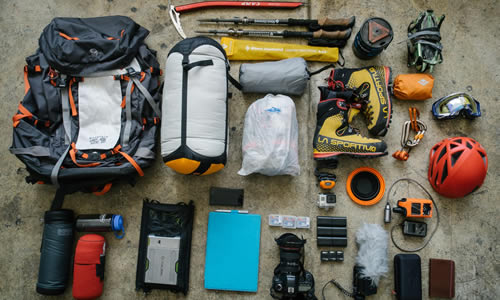
Rwenzori Mountains Packing Guide.
Hiking in the Rwenzori Mountains requires careful preparation due to the region’s unique combination of heavy rainfall, mud, cold temperatures, and high altitude. The environment changes dramatically as you climb, making it essential to pack gear suited for multiple conditions.
Essential Gear.
Hiking or Climbing Boots.
Footwear is one of the most critical items for this hike. Trails are often wet, muddy, and uneven, especially in the lower sections. At higher elevations, the terrain becomes rocky and cold. Waterproof boots with strong ankle support provide stability and reduce the risk of injury. They also help keep your feet dry, which is essential for comfort during long hiking days. Boots suitable for attaching crampons are recommended for more technical sections. Properly fitted and well-tested boots can make a significant difference in your overall hiking experience.
Hiking Trousers (Water-Resistant).
The trails pass through thick vegetation and swampy areas, making durable trousers a necessity. Water-resistant or quick-drying fabrics help keep you comfortable in damp conditions. These trousers also protect your legs from scratches, insect bites, and irritation caused by constant moisture. As temperatures drop with altitude, they provide an added layer of warmth. Choosing flexible and breathable materials ensures ease of movement while hiking, especially during long and physically demanding days on the mountain.
Lightweight Shirts.
Lower elevations are typically warm and humid, requiring clothing that allows good airflow. Lightweight shirts made from breathable fabrics help regulate body temperature and reduce sweating. Quick-drying materials are particularly useful, as conditions can remain damp throughout the day. Wearing the right shirts ensures comfort during the initial stages of the hike and helps your body adjust before reaching colder zones.
Warm Jacket or Insulating Layer.
As you ascend above 3,500 meters, temperatures become significantly colder. A warm jacket or fleece provides essential insulation against cold winds and low temperatures. Evenings and early mornings can be especially chilly, making this layer crucial for maintaining body heat. Proper insulation helps prevent cold-related fatigue and ensures you remain comfortable throughout your stay at higher camps.
Waterproof Gloves.
Cold and wet conditions can quickly affect your hands, reducing grip and dexterity. Waterproof gloves protect against rain, wind, and cold temperatures, especially when handling equipment or navigating difficult terrain. Keeping your hands warm and dry improves safety and overall comfort during the hike.
Headlamp with Extra Batteries.
A reliable light source is necessary for early morning starts and nighttime movement around camp. Headlamps allow hands-free visibility, which is especially useful on uneven terrain. Because cold weather can drain batteries quickly, carrying spare batteries ensures you are not left in darkness when you need light the most.
Daypack (Backpack).
A small backpack is needed to carry personal items such as water, snacks, rain gear, and valuables. Even though porters assist with heavier loads, your daypack should contain essentials you may need throughout the day. Choose one that is comfortable, lightweight, and water-resistant to handle the mountain’s unpredictable weather.
Sun Hat.
Despite frequent rain, the sun can be intense at higher elevations. A hat provides protection from direct sunlight and helps prevent sunburn. It also reduces fatigue caused by prolonged exposure to heat during clearer parts of the hike.
Sunglasses.
At higher altitudes, sunlight reflecting off rocks and occasional snow can be very strong. Sunglasses with UV protection help prevent eye strain and protect your vision during bright conditions.
Gaiters.
Gaiters are particularly useful in muddy and wet sections of the trail. They cover the lower part of your legs and prevent water, mud, and debris from entering your boots. This helps keep your feet dry and reduces discomfort during long hikes.
Trekking Poles.
Poles provide additional balance and stability, especially on steep, slippery, or uneven terrain. They also reduce strain on your knees during descents and help conserve energy throughout the hike.
Gorilla Trekking Packing Guide in Bwindi Impenetrable National Park.
Gorilla trekking in Bwindi Impenetrable National Park takes place in dense rainforest with unpredictable weather. Proper clothing and gear are essential for comfort and safety.
Recommended Items.
Waterproof Hiking Boots.
Trails in the forest are often muddy and slippery, with occasional stream crossings. Sturdy boots provide grip, stability, and protection from moisture. They also shield your feet from insects and rough terrain.
Long Trousers.
Full-length trousers protect your legs from thorns, insects, and stinging plants. Neutral colors such as green or khaki are recommended to blend with the environment.
Long-Sleeved Shirts.
These provide protection from scratches, insects, and cool temperatures. Lightweight, breathable fabrics ensure comfort during the trek.
Rain Jacket.
Rain is common in the forest, often occurring without warning. A waterproof jacket keeps you dry and comfortable throughout the activity.
Gloves.
Simple gloves help protect your hands when holding onto branches or navigating steep sections. They also prevent scratches from vegetation.
Insect Repellent and Sunscreen.
Insects are common in the forest, making repellent essential. Sunscreen is also important for exposed areas during open sections of the trek.
Water and Snacks.
Carrying enough water and light snacks helps maintain your energy levels during the trek, which can vary in duration.
Hat.
A wide-brimmed hat offers protection from both sun and rain, making it a practical addition to your gear.
Face Masks.
Wearing a mask is required when near gorillas to help prevent the spread of disease and protect these endangered animals.
Clothing Guidelines for Safari.
Neutral colors such as green, brown, and khaki are recommended for all outdoor activities, as they blend well with natural surroundings. Bright colors should be avoided, as they may attract insects or disturb wildlife. Dark colors like black and blue are also not ideal, as they tend to attract tsetse flies.
Items to Avoid.
- Shorts or revealing clothing that expose your skin to insects and plants
- Light sneakers that lack proper grip for muddy terrain
- Tight clothing that restricts movement during trekking
- Heavy, non-breathable fabrics such as denim
- New boots that have not been tested before the trip