
Where to Stay Kilembe Trail Rwenzori Mountains
Exploring the Kilembe Trail in the Rwenzori Mountains is not just about reaching the summit—it is about experiencing a gradual transformation of landscapes, altitude, and atmosphere over several days. Unlike many mountain routes that focus only on the destination, this trail is defined by its sequence of overnight camps. Each stop introduces a new environment, from thick rainforest to high-altitude alpine terrain, making the journey itself as rewarding as the final peak.
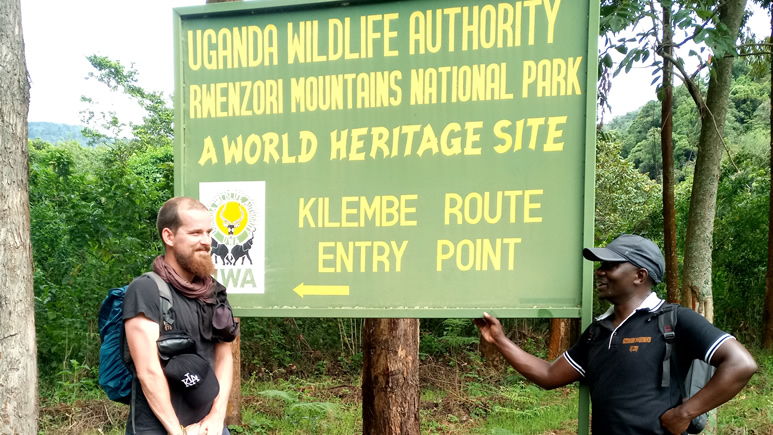
One of the most important aspects of planning this trek is understanding where you will spend each night. The camps along the Kilembe Trail are carefully positioned to match the natural rhythm of the climb, allowing trekkers to adjust to altitude while maintaining a manageable pace. These camps are more than simple resting points—they are essential parts of the experience, offering shelter, recovery, and a chance to fully absorb the surrounding wilderness.
Some camps are tucked deep within lush forest zones, alive with birds and flowing water, while others sit high above the valleys, offering sweeping views of rugged peaks and distant landscapes. Knowing what to expect at each location helps hikers prepare mentally and physically, making the journey smoother and far more enjoyable.
Trekker’s Hostel (1,450 meters): Preparing for the Adventure
The journey begins at Trekker’s Hostel, located at the base of the mountains in Kilembe. This is the starting point where hikers gather, organize equipment, and spend their final night in a relatively comfortable setting before heading into the wilderness.
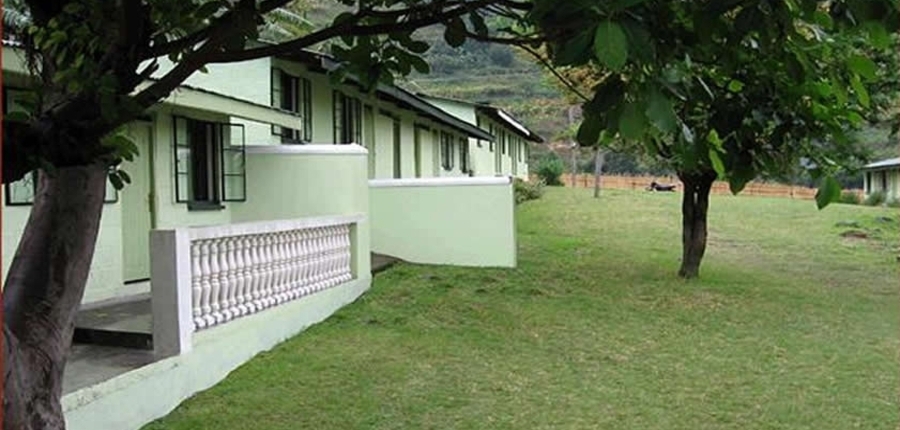
Accommodation here is more developed compared to the mountain camps. Guests can choose from single rooms, double rooms, and twin rooms, all offered on a bed-and-breakfast basis. For those traveling on a tighter budget or in groups, a shared dormitory provides a more economical option. There is also a designated camping area for trekkers who prefer to use their own gear.
Staying at the hostel serves an important purpose. It allows time to check supplies, meet guides and porters, and get a proper rest before the physical demands of the trek begin. This initial stop helps set the tone for the entire journey, ensuring that hikers start fully prepared.
Sine Camp (2,596 meters): Entering the Rainforest
After leaving the base, the trail quickly leads into dense tropical forest, where towering trees and thick vegetation create a shaded, humid environment. Sine Camp, located at 2,596 meters, is the first overnight stop within this rich ecosystem.
The approach to the camp is particularly scenic, with Enock Falls providing a refreshing highlight just before arrival. The sound of cascading water and the cool mist in the air make this section especially memorable.
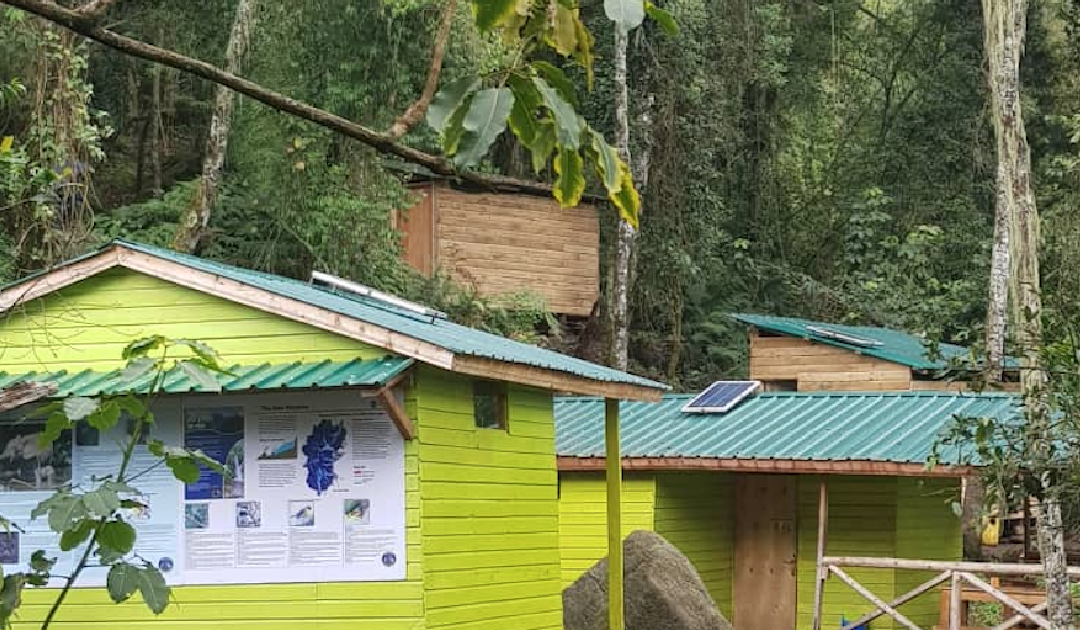
The camp itself consists of simple wooden structures with shared facilities. Solar lighting provides limited illumination at night, while meals are typically served outdoors. When the weather turns, temporary shelters are set up to ensure comfort during dining.
With a modest capacity, Sine Camp maintains a quiet and organized atmosphere. Surrounded by unique plant species and vibrant greenery, it offers an immersive introduction to the mountain’s lower zones.
Forest View Camp (2,580 meters): A Peaceful Alternative
Forest View Camp sits at a similar altitude to Sine but offers a slightly different experience. As its name suggests, it is surrounded by thick forest, providing a calm and secluded environment that appeals to hikers seeking tranquility.
The setting is defined by the sounds of nature—birds calling, leaves rustling, and the distant flow of water. This peaceful atmosphere makes it an ideal place to relax after the first day of trekking.
Accommodation is simple and functional, with wooden huts that accommodate a limited number of visitors. Like other camps at this level, meals are served outdoors, and temporary shelters are used when necessary.
For those who prefer a quieter overnight stop, Forest View Camp provides a more intimate connection with the natural surroundings.
Samalira Camp (3,170 meters): Transitioning to Higher Ground
As you gain elevation along the trail, the thick rainforest slowly fades, opening into a broader and more exposed mountain landscape. At around 3,170 meters, Samalira Camp sits right at this shift, offering trekkers their first real sense of the high-altitude environment ahead. The change is easy to notice—trees become sparse, the air grows cooler, and the surroundings feel more open and expansive.
Samalira Camp provides a practical resting point where hikers can pause, recover, and adjust to the altitude. The area is dotted with short lobelia plants, giving the campsite a distinct and slightly alpine feel compared to the dense greenery below. The setting is calm and spacious, making it a comfortable place to unwind after a demanding climb.
As evening approaches, the atmosphere becomes even more rewarding. With clear views of the sky and the gentle presence of nearby waterfalls, the camp offers a peaceful and memorable overnight experience before the journey continues higher.
Kalalama Camp (3,134 meters): Wide Views and Open Horizons
Kalalama Camp is positioned along a raised ridge within the Rwenzori highlands, giving it one of the most open and far-reaching viewpoints on the Kilembe Trail. From this altitude, the scenery expands dramatically in every direction, allowing trekkers to appreciate the vastness of the landscape. On days with clear weather, it is even possible to spot distant human settlements and sections of protected parkland stretching across the horizon far below.
The natural environment around the camp is quite distinct from the lower forest zones. Towering heather trees dominate the area, their branches often wrapped in thick layers of moss and lichen. This gives the entire setting a slightly mystical and otherworldly appearance, especially when mist rolls through the ridge. The openness of the terrain creates a strong contrast with the enclosed, shaded forests encountered earlier on the ascent, marking a clear shift in altitude and ecosystem.
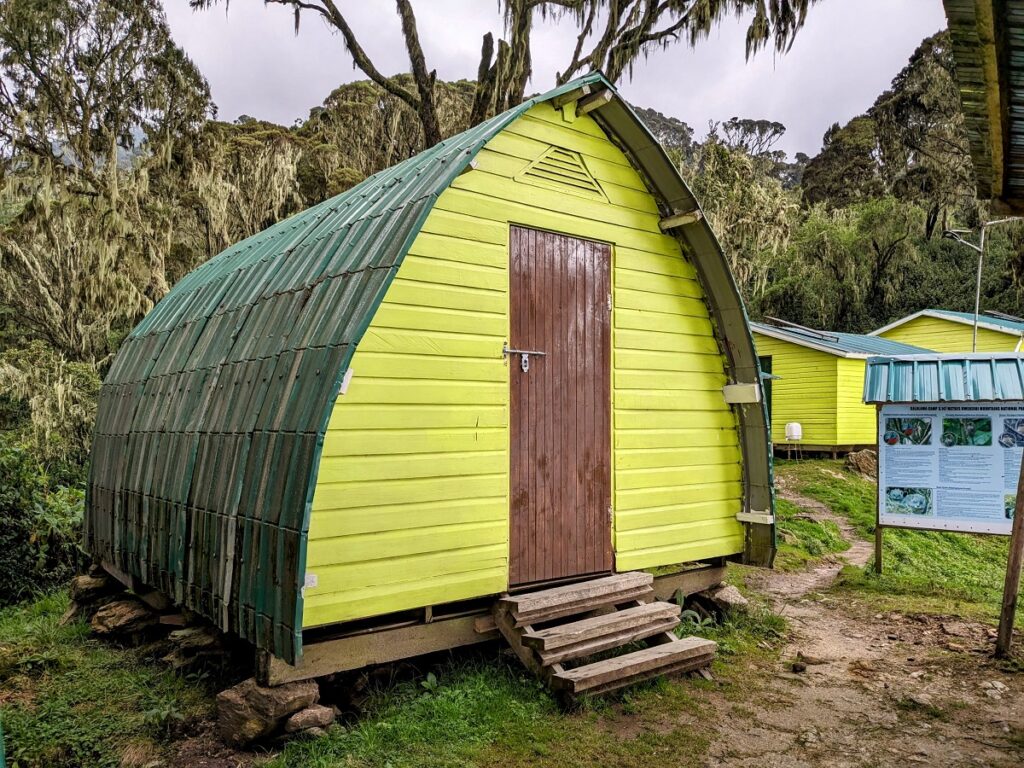
Accommodation at Kalalama Camp is intentionally simple, designed to suit the remote mountain setting. Hikers stay in shared wooden huts, and meals are usually taken in open-air dining areas. Facilities are basic, focusing on practicality rather than comfort. Despite this simplicity, the camp’s dramatic scenery, fresh mountain air, and elevated position make it a standout and highly memorable stop for those trekking deeper into the Rwenzori Mountains.
Kiharo Camp (3,430 meters): A Quiet Mountain Retreat
Set deep inside the Nyamwamba Valley, Kiharo Camp sits in one of the most remote and visually striking sections of the Kilembe Trail. The setting feels naturally enclosed yet dramatic, with towering rock walls rising around the valley and a waterfall flowing nearby, adding both movement and sound to the landscape. This combination of isolation and raw scenery creates a powerful sense of being far removed from everyday life, which many trekkers find especially rewarding.
The surrounding terrain becomes increasingly rugged at this altitude. Vegetation is adapted to the harsh mountain conditions, with hardy mosses and heather plants clinging to rocks and slopes. The more open sections of the valley allow for impressive views of cliffs, steep ridges, and layered rock formations that define this part of the Rwenzori Mountains.
Accommodation at Kiharo Camp is simple but practical, designed to support hikers in this remote environment. Visitors sleep in shared bunk-style cabins, and basic washing facilities are available to meet essential needs. While the amenities are minimal, the camp is well maintained for its location.
Kiharo is also a good spot for birdwatching, with several mountain species frequently seen in the area. Its quiet, uncrowded atmosphere makes it particularly appealing for trekkers seeking solitude, reflection, and a deeper connection with the natural surroundings.
Mutinda Camp (3,596 meters): A Scenic Acclimatization Stop
Mutinda Camp sits high on the Kilembe Trail at about 3,596 meters, within a striking alpine zone where the environment changes dramatically from the lower mountain forests. At this altitude, the climate is noticeably cooler, and mist often drifts through the landscape, giving the area a quiet, almost mystical atmosphere. It is one of the most scenic sections of the route, where nature feels both harsh and beautifully unique.
The vegetation around Mutinda Camp is dominated by unusual high-altitude plant life, including giant lobelias and other species that have adapted to survive in the cold, wet conditions. These plants, combined with moss-covered ground and scattered streams, create a surreal setting that feels very different from the forested sections below. Small waterfalls nearby add a constant natural sound that enhances the peacefulness of the area.
One of the highlights of staying here is the short climb to Mutinda viewpoint. From this elevated spot, trekkers are rewarded with wide, uninterrupted views over deep valleys and distant mountain peaks. The perspective helps hikers appreciate how far they have climbed and how the landscape continues to change.
Because of its elevation and terrain, Mutinda Camp is also an important acclimatization stop. It gives trekkers time to adjust to thinner air while still enjoying one of the most visually impressive environments on the trail.
Hunwick’s Camp (3,874 meters): Into the Alpine Zone
At an elevation of about 3,874 meters, Hunwick’s Camp introduces trekkers to one of the most rugged and high-altitude sections of the Kilembe Trail. The environment here shifts noticeably into open moorland, where vegetation becomes sparse and the landscape feels wider, colder, and more exposed. Mist frequently rolls across the terrain, often limiting visibility and adding a moody, atmospheric quality to the surroundings.
The approach to the camp is physically demanding, with steep ascents and uneven ground that test endurance after days of continuous climbing. Because of this, Hunwick’s Camp serves as a crucial recovery point where hikers can rest and regain strength before continuing deeper into the alpine zone. The feeling of isolation is very strong at this stage of the trek, as there are few signs of human activity and nature dominates in every direction.
From the camp, the views are particularly impressive. On clearer days, trekkers can observe towering peaks, distant ridge-lines, and deep valleys carved into the mountains. These expansive vistas emphasize just how high the journey has reached.
Accommodation is simple and functional, providing basic shelter suited to the harsh conditions. However, the true value of Hunwick’s Camp lies in its raw, untouched environment, where silence, altitude, and vast landscapes combine to create a powerful mountain experience.
Bugata Camp (4,100 meters): Among the High Mountain Lakes
Bugata Camp is located at an altitude of approximately 4,100 meters and stands out as one of the most visually impressive points along the Kilembe Trail. The camp is positioned on an exposed ridge within the high alpine zone, where the landscape opens up dramatically and the air becomes noticeably thinner and colder. From this elevated viewpoint, trekkers are treated to sweeping views of a chain of glacial lakes spread across the valleys below, forming a rare and striking mountain panorama.
Reaching Bugata Camp requires a challenging ascent through steep slopes, uneven ground, and sections of boggy terrain. The effort involved in getting here is significant, but it is matched by the extraordinary scenery that unfolds upon arrival. The surrounding environment is a mix of rocky outcrops, hardy alpine plants, and wide open skies that often shift rapidly between clear light and drifting mist, adding to the dramatic atmosphere.
The camp itself is built for function rather than comfort. Accommodation is basic, with shared sleeping spaces and essential facilities designed to support trekkers in this harsh environment. Despite its simplicity, Bugata Camp plays a vital role in the journey, offering an important acclimatization stop before continuing to even higher and more demanding sections of the mountain trail.
Margherita Camp (4,495 meters): The Final Base
Margherita Camp sits at approximately 4,495 meters above sea level and represents the highest overnight stop on the Kilembe Trail. It is the final staging point for climbers preparing to attempt the ascent of Margherita Peak, the highest point in the Rwenzori Mountains. At this altitude, the environment becomes extremely harsh, with freezing temperatures, thin air, and strong winds that can shift quickly without warning.
The camp is located in a rocky, exposed section of the mountain where large boulders offer limited natural shelter from the elements. The landscape is mostly bare, with very little vegetation surviving in these extreme conditions. Instead, trekkers are surrounded by stone, ice, and wide open views of the high alpine world, creating a setting that feels both powerful and unforgiving.
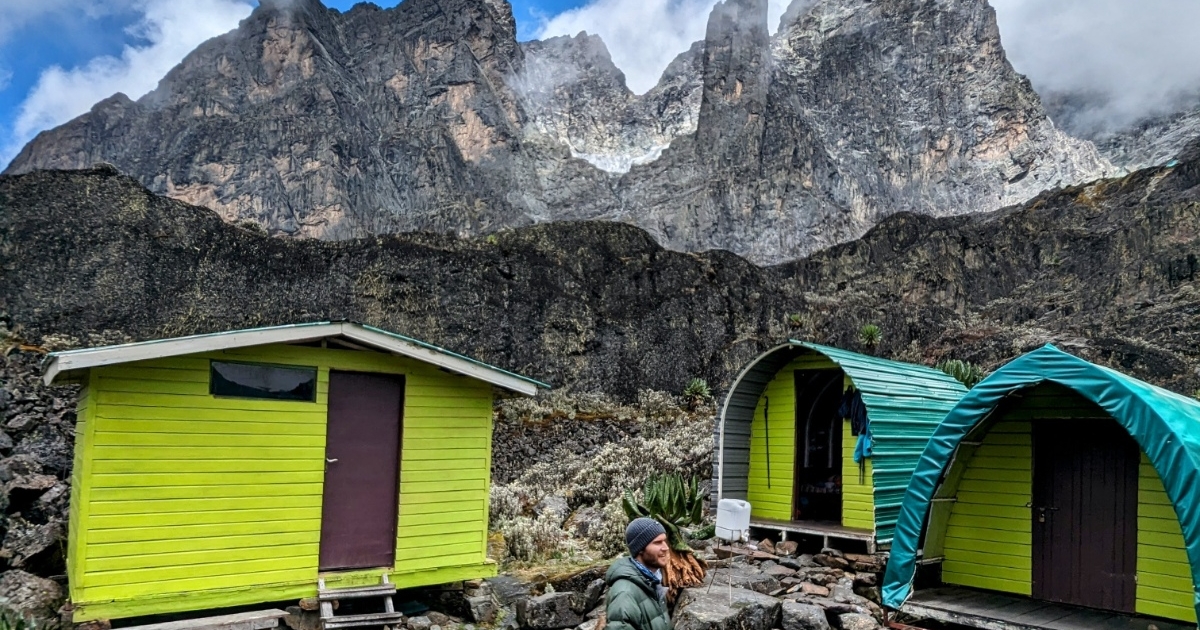
Despite its simplicity, Margherita Camp plays a critical role in the final stage of the expedition. It is here that climbers rest, prepare equipment, and mentally ready themselves for the summit push, which typically begins very early in the morning, often before dawn.
Spending a night at this altitude is physically demanding due to the cold and reduced oxygen levels. However, it also represents one of the most memorable parts of the journey, marking the final preparation before reaching the summit of Margherita Peak and completing the Kilembe Trail experience.
Views of Margherita Camp during the months of April, May, October, and November
Final Reflections About Where to Stay On The Kilembe Trail Of Rwenzori Mountains
What makes the Kilembe Trail truly special is how each camp contributes to the overall experience. The gradual shift from rainforest to alpine terrain creates a sense of progression that is both physical and emotional.
The camps themselves are intentionally simple, focusing on practicality rather than luxury. This allows hikers to fully engage with the natural environment while ensuring safety and rest along the way.
Every night spent on the trail brings a new perspective, whether it is the quiet calm of the forest or the stark beauty of high-altitude landscapes. By understanding and appreciating each stop, trekkers can turn the journey into a rich and unforgettable adventure.
In the end, the Kilembe Trail is not just about reaching the summit—it is about the experiences collected along the way, one camp at a time.