
Reasons Why Supplementary Oxygen Isn’t Needed on the Rwenzori Mountains
“The Real Reason why Supplementary Oxygen Isn’t Needed on the Rwenzori Mountains” becomes clear the moment hikers begin exploring the breathtaking landscapes of the Rwenzori Mountains. From glacier-capped peaks and mist-covered valleys to dense tropical forests and giant alpine plants, the mountain range offers one of Africa’s most extraordinary trekking adventures. Many travelers preparing for this journey often worry about altitude and wonder whether they will need bottled oxygen to complete the climb safely.
In reality, most trekkers never require supplementary oxygen while hiking the Rwenzori Mountains. Although the range reaches impressive elevations, it does not fall within the extreme-altitude category where oxygen support becomes essential. The mountain’s gradual trekking routes allow the body to adapt naturally over several days, making acclimatization far more effective than many first-time hikers expect.
With a steady pace, proper hydration, physical preparation, and guidance from experienced mountain crews, climbers can comfortably adjust to the altitude while enjoying the beauty of the journey. Instead of struggling for oxygen, most hikers discover that the real challenge of the Rwenzoris lies in the adventure itself — the muddy trails, dramatic scenery, changing vegetation zones, and unforgettable mountain experience.
The Altitude Is Demanding but Not Extreme
One of the biggest misconceptions about the Rwenzori Mountains is that they require the same level of altitude support as mountains like Mount Everest. While the Rwenzoris are certainly high, they do not reach the dangerous “death zone” altitudes where oxygen becomes critical for survival.
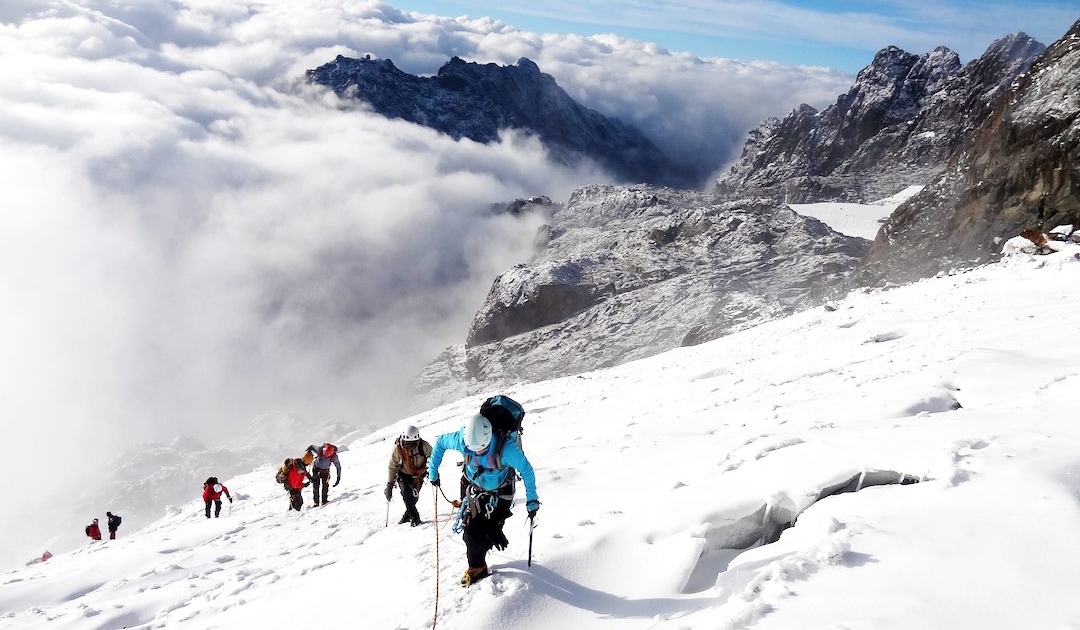
The highest point in the range, Margherita Peak, stands at 5,109 meters above sea level. At this elevation, hikers may notice thinner air and increased breathing during difficult sections of the climb, but the body can still adapt naturally if given enough time.
On mountains above 7,000 or 8,000 meters, oxygen levels become dangerously low for extended exposure. Climbers at those heights often rely on bottled oxygen because the body can no longer adjust effectively. The Rwenzori Mountains fall well below those extreme conditions.
Additionally, trekkers only spend a short period near the summit zone. Most of the expedition takes place at lower elevations where the body gradually adapts before the final ascent.
Gradual Acclimatization Is the Main Reason
- The true reason supplementary oxygen is unnecessary on the Rwenzori Mountains lies in the way climbers gain altitude slowly throughout the journey.
- Most trekking itineraries last several days, with hikers sleeping at different camps positioned along the mountain. This gradual ascent gives the body time to adjust naturally to thinner air.
- As elevation increases, the body begins adapting by improving oxygen efficiency. Breathing becomes slightly faster, and the production of red blood cells increases to carry oxygen more effectively through the bloodstream.
- This natural adjustment process is called acclimatization, and it works very well on the Rwenzori Mountains because the trekking pace is intentionally slow.
- Mountain guides encourage climbers to move steadily instead of rushing. Many local guides repeatedly use the phrase “pole pole,” meaning “slowly slowly,” to remind hikers that conserving energy is essential at altitude.
Trekkers who follow this advice often find themselves feeling stronger after a few days on the mountain. By allowing the body enough time to adapt naturally, the need for supplementary oxygen is greatly reduced.
Most Climbers Are Ordinary Travelers
The fact that regular tourists, not professional mountaineers, successfully ascend the Rwenzori Mountains each year is another significant factor in why oxygen is rarely used.
The mountain attracts adventure seekers from many backgrounds, including students, photographers, retirees, and nature enthusiasts. Many of these hikers have moderate fitness levels and little previous experience with high-altitude trekking.
Despite this, thousands complete the trek safely without oxygen tanks.
What matters most is preparation rather than specialized equipment. Travelers who spend time improving their fitness before the trip usually perform much better during the climb.
Simple activities such as jogging, stair climbing, cycling, or long-distance walking can strengthen the lungs, heart, and muscles needed for trekking.
A physically prepared hiker can often handle altitude more comfortably than someone depending entirely on oxygen support without proper conditioning.
The Trekking Pace Helps the Body Adapt

Unlike some mountain expeditions that involve rapid elevation gain, trekking on the Rwenzori Mountains is designed around slow and manageable progress.
Daily hiking distances are carefully planned to reduce unnecessary strain on the body. Camps are placed strategically between elevation zones to support proper acclimatization.
A slower pace allows hikers to breathe more comfortably, conserve energy, and recover properly after each day’s trek.
Trekkers who move carefully through the forests, valleys, and alpine sections often arrive at camp feeling strong enough to continue the next day without serious altitude symptoms.
Rushing too quickly, on the other hand, can increase the risk of headaches, dizziness, fatigue, and nausea.
The Rwenzori experience is built around patience and consistency rather than speed. This gradual trekking style is one of the biggest reasons supplementary oxygen is unnecessary for most climbers.
Terrain and Weather Are Bigger Challenges
Interestingly, many hikers discover that the real challenge on the Rwenzori Mountains is not the oxygen level but the mountain conditions themselves.

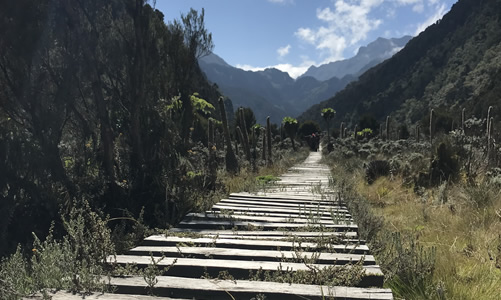
The range is famous for muddy trails, slippery rocks, cold temperatures, marshy areas, and frequent rain. Hikers often spend long hours navigating wet paths, climbing steep sections, and crossing streams or wooden ladders.
Because of this, proper hiking gear becomes far more important than carrying oxygen cylinders.
Waterproof jackets, durable boots, warm clothing, gloves, and trekking poles can make a huge difference during the expedition.
A climber with poor equipment may struggle more with cold and exhaustion than with altitude itself. Meanwhile, a well-prepared trekker with quality gear often enjoys the journey despite the difficult conditions.
In many cases, physical endurance and mental resilience matter far more than supplemental oxygen on the Rwenzori Mountains.
Guides Closely Monitor Hikers
Professional guides on the Rwenzori Mountains play a major role in ensuring climbers remain safe throughout the expedition.

Before the trek begins, guides explain the importance of hydration, pacing, nutrition, and communication while hiking at altitude.
During the climb, they observe hikers carefully for signs of altitude sickness such as headaches, unusual fatigue, nausea, or dizziness.
If a trekker begins feeling unwell, guides can slow the pace, recommend additional rest, or advise descending temporarily to a lower camp for recovery.
Early action helps prevent serious altitude complications from developing.
This close supervision means most altitude-related issues are managed safely long before supplementary oxygen would ever become necessary.
Hydration and Nutrition Support Natural Performance
The body performs much better at altitude when properly hydrated and nourished.
Trekkers on the Rwenzori Mountains are encouraged to drink plenty of water throughout the hike because dehydration can worsen fatigue and altitude discomfort.
Warm meals and energy-rich foods also help maintain strength during long trekking days. Most guided expeditions provide balanced meals designed to support climbers physically throughout the journey.
Good hydration and proper nutrition improve endurance and recovery, allowing hikers to adapt more effectively to changing elevations.
Many altitude problems can actually become worse when hikers neglect water intake, skip meals, or push themselves too hard without enough rest.
The Experience Is About the Journey
Climbing the Rwenzori Mountains is not simply about standing on the summit. The journey itself is what makes the experience so memorable.
Trekkers move through dense rainforest, bamboo zones, giant heather forests, alpine valleys, glaciers, and rocky landscapes that feel untouched by modern civilization.
Each stage of the climb introduces new scenery, changing temperatures, and unique wildlife that keep hikers motivated throughout the adventure.
By the time many climbers reach higher elevations, they often realize their bodies have adapted naturally without needing oxygen support.
The mountain teaches patience, discipline, and respect for nature. With proper preparation, steady pacing, and experienced guidance, most healthy hikers can safely complete this extraordinary African trek without supplementary oxygen.
That is the real reason oxygen tanks are rarely needed on the Rwenzori Mountains: the climb is designed to allow the human body to adapt naturally, step by step, throughout the journey.


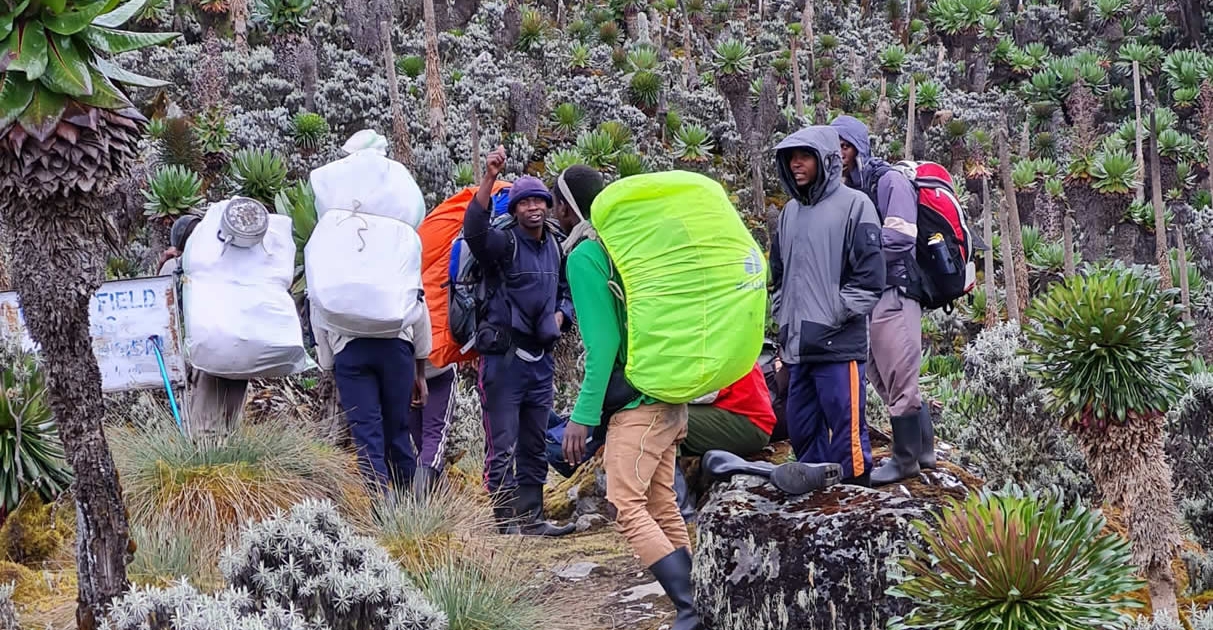
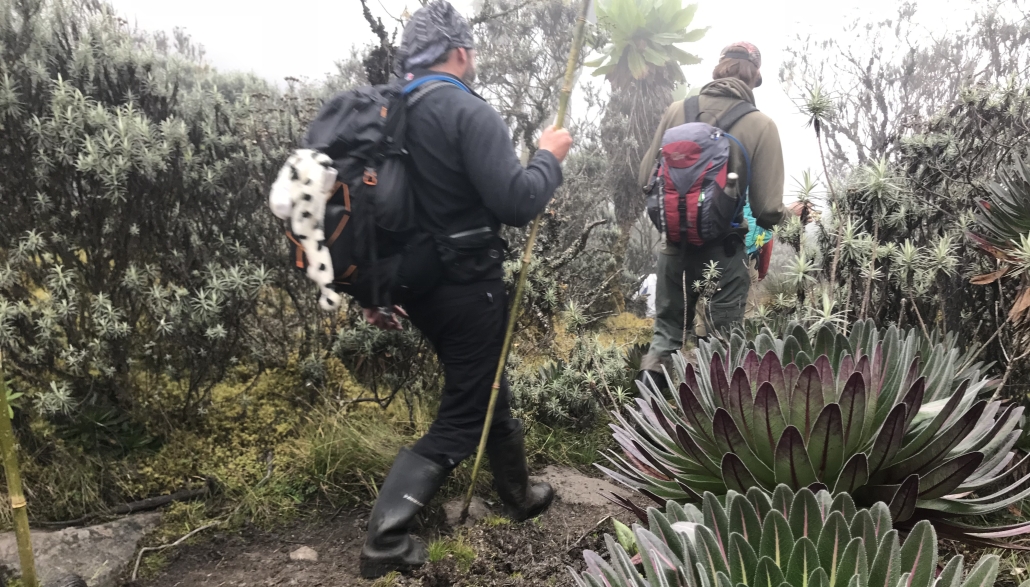
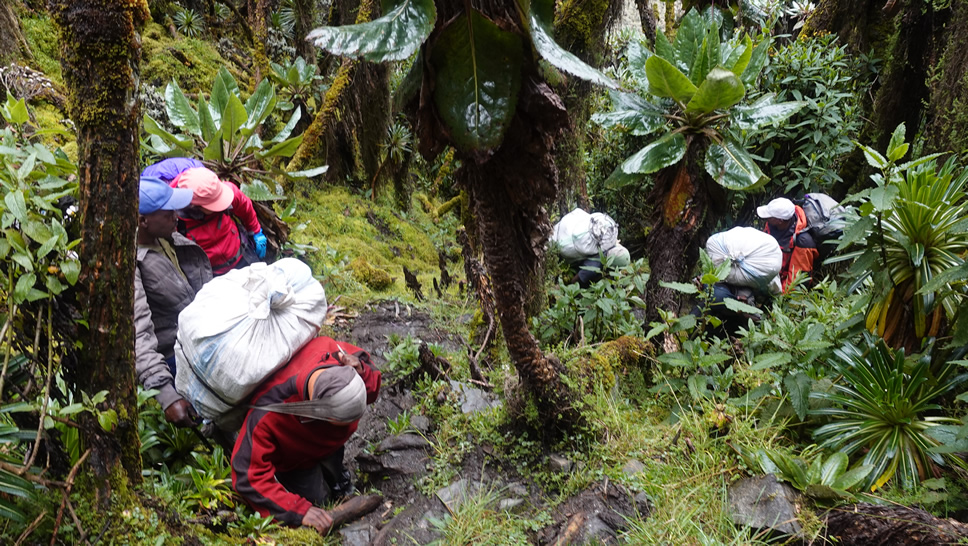
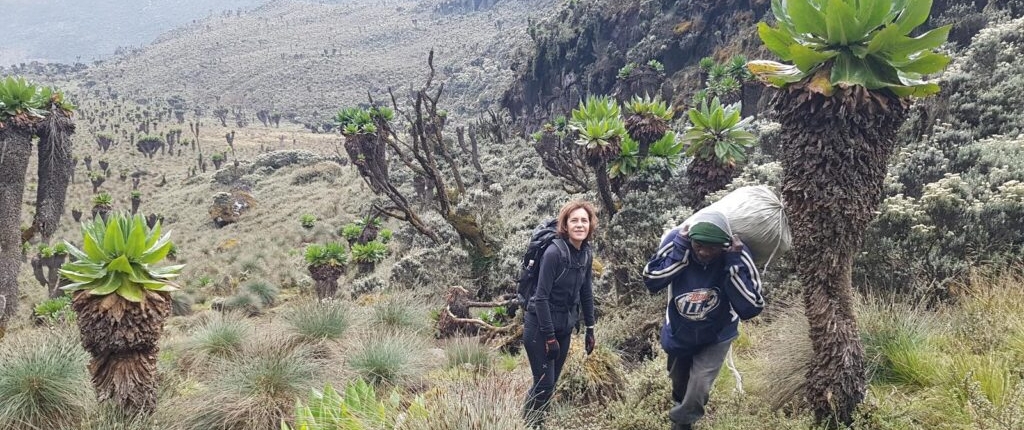





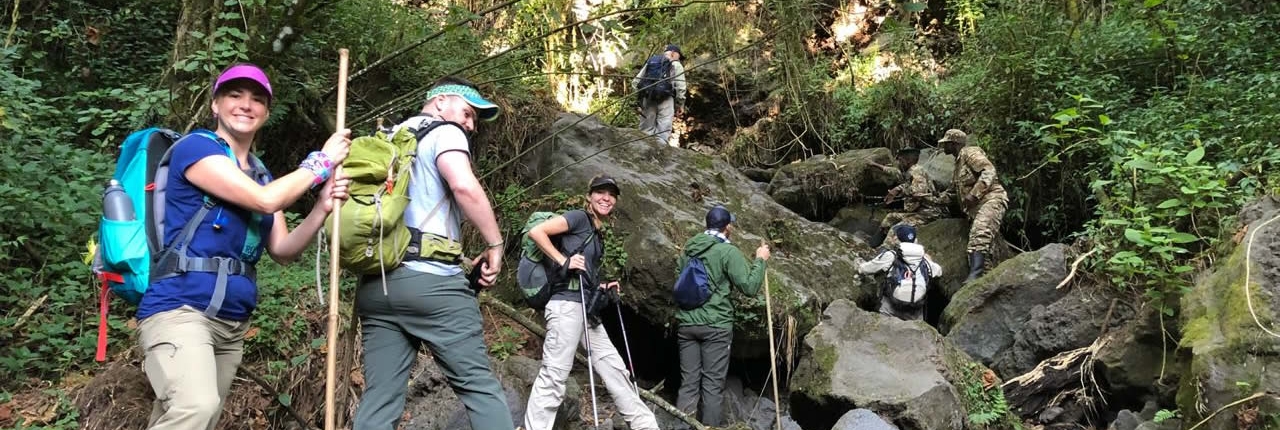


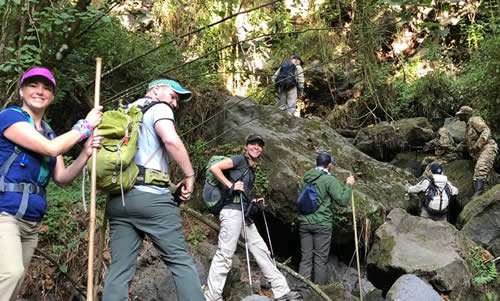 Don’t overload your daypack., keep it light & filled with only essentials that will be easier & more enjoyable to carry. When you arrive at the base, we will provide you with porters who will carry for you your luggage on the mountain. All you need is to carry a day pack with the things you need during the day trek as you won’t have access to your luggage until you reach the camps in the evening where you will have dinner & spend an overnight.