Untold Strength Of Rwenzori Porters
Untold Strength of the Rwenzori Porters: Carrying the Rwenzori Dream
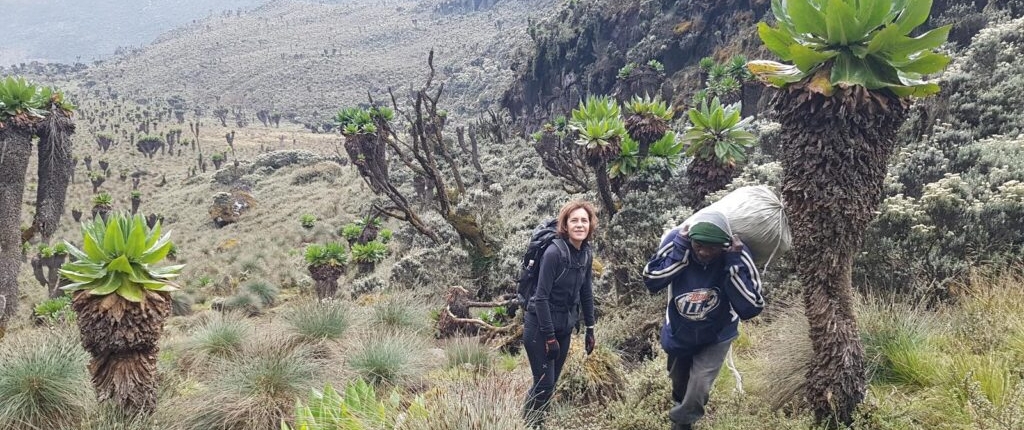
Untold Strength Of Rwenzori Porters: Every hike in the Mountains of the Moon is powered by Rwenzori porters. While trekkers focus on reaching glaciers, valleys, and summit peaks, these mountain workers quietly make the journey possible. They carry supplies, support camps, and move through some of the toughest terrain in East Africa without seeking attention.
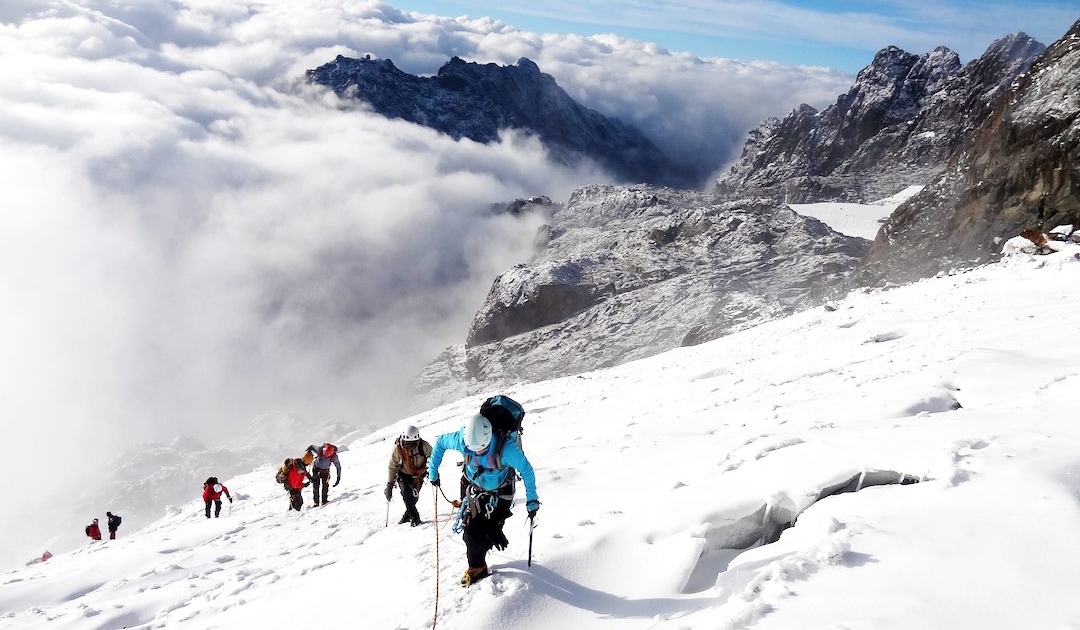
The Rwenzori Mountains are known for steep slopes, deep mud, fast rivers, and unpredictable weather. In such conditions, no expedition can succeed without strong porter support. Their role is not only physical but also deeply practical. They help organize equipment, support movement along trails, and ensure that each stage of the trek runs smoothly.
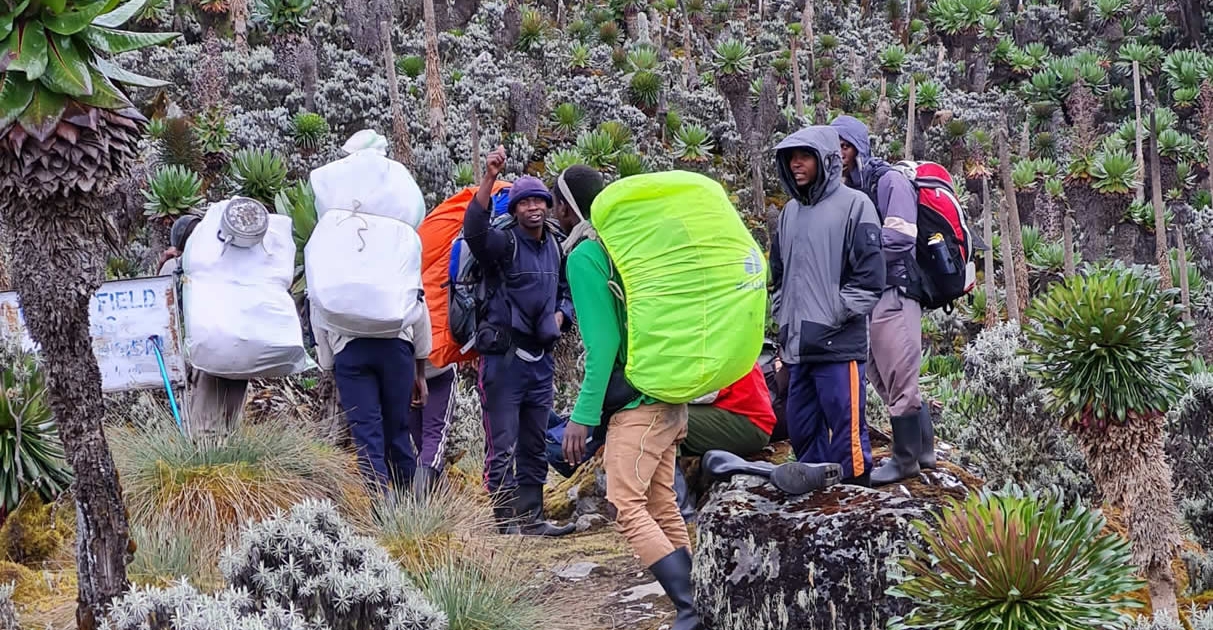
Unlike simple hiking assistants, Rwenzori porters are part of a system that keeps the mountain routes alive. They help maintain camps, support logistics, and guide trekkers through difficult sections. Many come from nearby communities, bringing local knowledge and strong endurance shaped by years of living close to the mountains.
Understanding their contribution changes how visitors see the Rwenzori experience. It is no longer just about reaching the peaks, but about appreciating the people who make every step possible. Their strength is quiet, consistent, and deeply connected to the mountain itself.
Why Hire a Porter for the Rwenzori Mountains Trek? – Untold Strength Of Rwenzori Porters
Trekking in the Rwenzori Mountains is one of the most rewarding but physically demanding adventures in Africa. The route moves through vegetation Zones of:dense rainforest, bamboo zones, deep bogs, alpine valleys, and icy glacier regions. In such a challenging environment, hiring a porter is not just helpful—it completely transforms the experience.
Rwenzori porters are local mountain experts who support trekkers throughout the journey. They reduce physical strain, improve safety, and ensure that expeditions run smoothly from start to finish. Whether you are trekking the Central Circuit trail or heading toward Margherita Peak, their support becomes essential for comfort and success.
Ease of Carrying Luggage in the Rwenzori Mountains
One of the biggest advantages of hiring a porter in the Rwenzori is the ability to trek with a light load. A single porter can carry around 30 kg (66 lbs), which significantly reduces the weight a trekker has to handle.
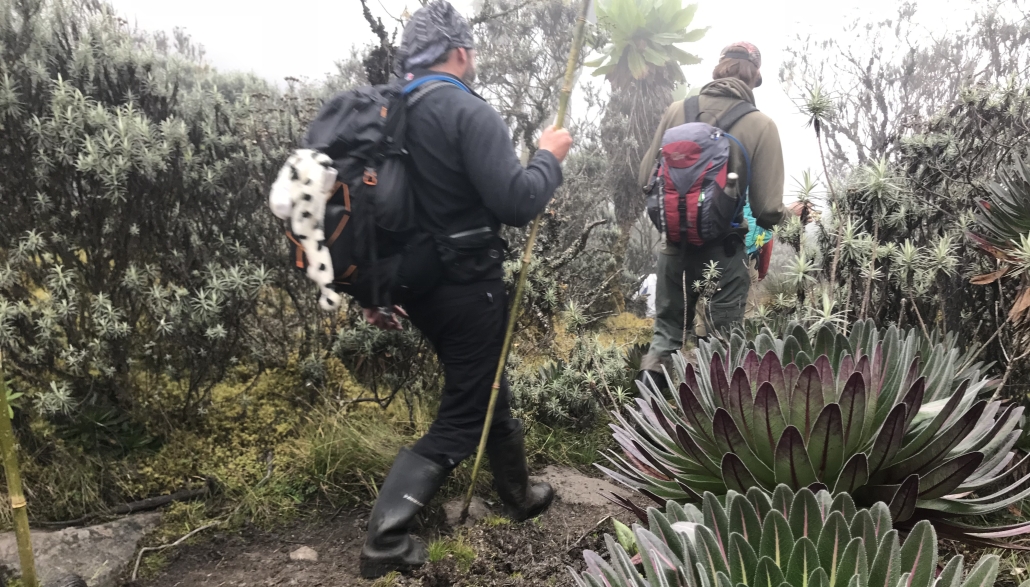
Without a porter, trekkers often struggle with heavy backpacks across muddy trails and steep ascents. The Rwenzori terrain is constantly wet, and even short distances can become exhausting when carrying full gear.
As altitude increases, energy levels drop faster. Even basic walking becomes harder. With a porter carrying major equipment such as food supplies, camping gear, and personal luggage, trekkers can move more freely and enjoy the landscape without unnecessary strain.
Reduced Risk of Fatigue, Altitude Stress, and Injury
Fatigue is one of the main causes of trekking difficulties in the Rwenzori Mountains. When the body is overloaded, oxygen demand increases, and altitude effects become stronger.
By hiring a porter, trekkers reduce physical exhaustion and maintain steady energy levels. This helps the body adjust better to altitude changes, especially in high zones above 3,000 meters.
The Rwenzori trails include slippery rocks, swamp crossings, and steep climbs. Carrying less weight improves balance and stability, lowering the risk of falls or injuries.
With proper support from porters, trekkers can focus more on movement, breathing, and enjoying the scenery rather than struggling with heavy loads.
Better Strength and Mental Focus during the Trek
A multi-day trek in the Rwenzori Mountains is both physically and mentally demanding. Long walking hours, unpredictable weather, and altitude changes can easily drain motivation.
Rwenzori porters help reduce this pressure by handling heavy equipment and logistics. This allows trekkers to focus their energy on the actual journey rather than physical burden.
Porters also bring motivation and positive energy. Many have climbed these routes countless times and understand the challenges well. Their confidence and steady pace can encourage trekkers during difficult sections of the trail.
This mental support often becomes just as valuable as physical assistance.
Cultural Knowledge and Local Mountain Experience
Rwenzori porters are mostly from communities living around the mountain region. Their connection to the land is deep and personal.
During the trek, they often share stories about local traditions, mountain history, wildlife behavior, and forest knowledge. This gives trekkers a more meaningful understanding of the environment they are exploring.
Unlike written guides, their knowledge comes from lived experience. They understand weather patterns, safe paths, and hidden natural features of the mountain.
This cultural interaction turns the trek into more than just a hike—it becomes a shared experience between visitors and local mountain communities.
Supporting Local Communities and Mountain Livelihoods
Tourism is one of the key sources of income for people living around the Rwenzori Mountains. To provide for their family, the majority of porters work as trekkers.
During off-seasons, many return to farming or small-scale livestock keeping. Income from trekking helps them sustain their livelihoods throughout the year.
By hiring a porter, trekkers directly contribute to the local economy. This support improves education, healthcare access, and general living standards in mountain communities.
Choosing a porter is therefore not only a trekking decision but also a meaningful contribution to sustainable tourism in the Rwenzori region.
What Rwenzori Porters Do on the Mountain? -Untold Strength Of Rwenzori Porters
The work of Rwenzori porters goes far beyond carrying backpacks. Their responsibilities cover nearly every stage of the expedition. One of their main roles is transporting equipment and supplies needed for the trek. This includes food items, cooking tools, tents or sleeping gear where needed, and even construction materials used to maintain permanent mountain huts and facilities.
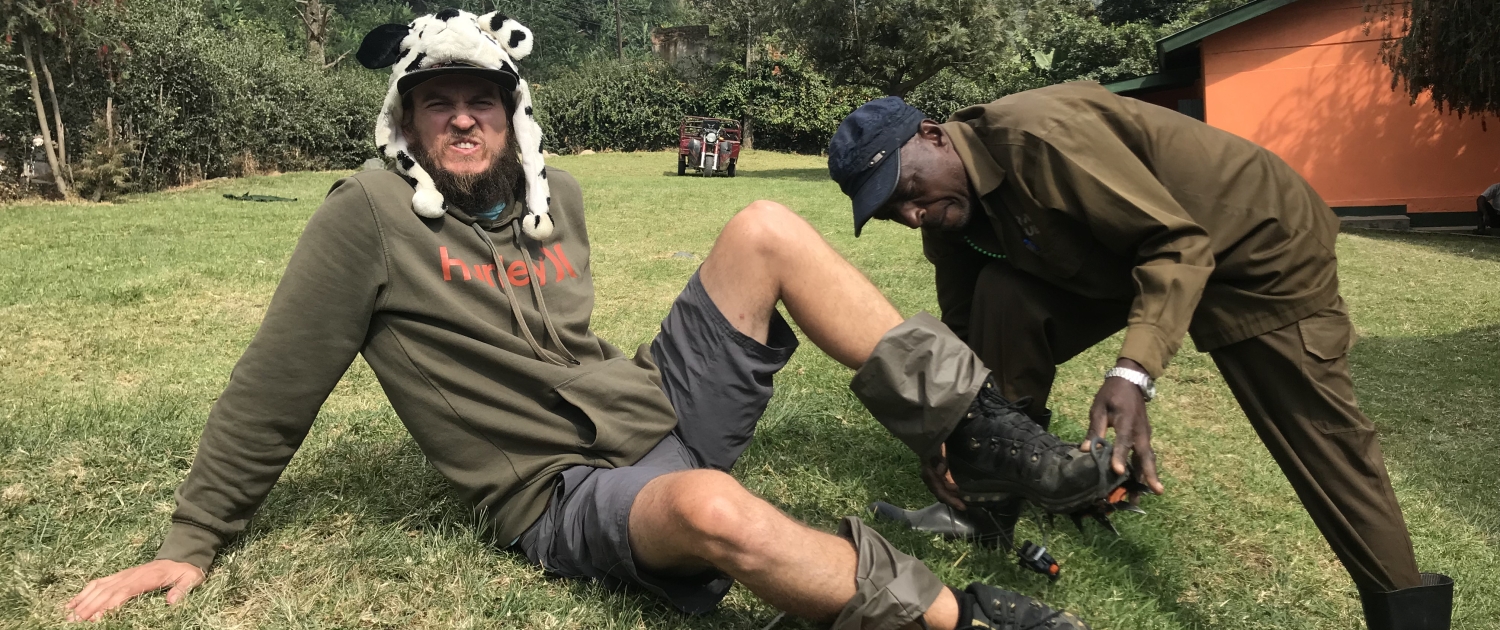
Unlike some trekking regions where camps are set daily, the Rwenzori routes includes established shelters. Porters help maintain these structures by carrying repair materials and supporting upkeep work. This ensures that camps remain safe and usable for all trekkers.
They also assist in organizing camp life. When hikers arrive, porters help coordinate meals, water collection, and basic camp setup. This smooth operation keeps the trek efficient even in remote areas.
During movement between camps, porters provide guidance on trail conditions. They know where paths are slippery, where rivers are high, and how weather may affect progress.
In emergencies, they also offer support by assisting tired trekkers or helping communicate with guides. Their experience in the mountains makes them reliable in unpredictable situations.
How Porters Support Camps and Logistics in Rwenzori.
Rwenzori trekking depends heavily on well-maintained mountain infrastructure, and porters are central to this system. The Central Circuit has permanent or semi-permanent huts, and keeping them functional requires constant supply movement. Porters are responsible for transporting construction materials such as wood, nails, food stock, and repair tools up the mountain.
This work is physically demanding because materials must pass through forests, bogs, and steep slopes. Without porters, maintaining these camps would be nearly impossible.
They also support logistics between camps. Food supplies, bedding, and essential gear must be moved from lower stations to higher elevations. Porters coordinate these movements with guides and cooks, ensuring that each camp is ready before trekkers arrive.
Another key role is maintaining supply flow during unpredictable weather. Heavy rain or fog can delay movement, but porters adapt quickly and ensure that essential goods still reach their destination.
Their work ensures continuity across the trekking route. Every hut, every meal, and every resting point depends on their effort. This system keeps the Rwenzori trekking experience stable and safe even in harsh mountain conditions.
Challenges Faced by Rwenzori Porters – Untold Strength Of Rwenzori Porters
Despite their important role, Rwenzori porters face many physical and environmental challenges. The mountain terrain itself is one of the toughest in Africa. Thick mud, steep climbs, and constant rain make every journey difficult and exhausting.
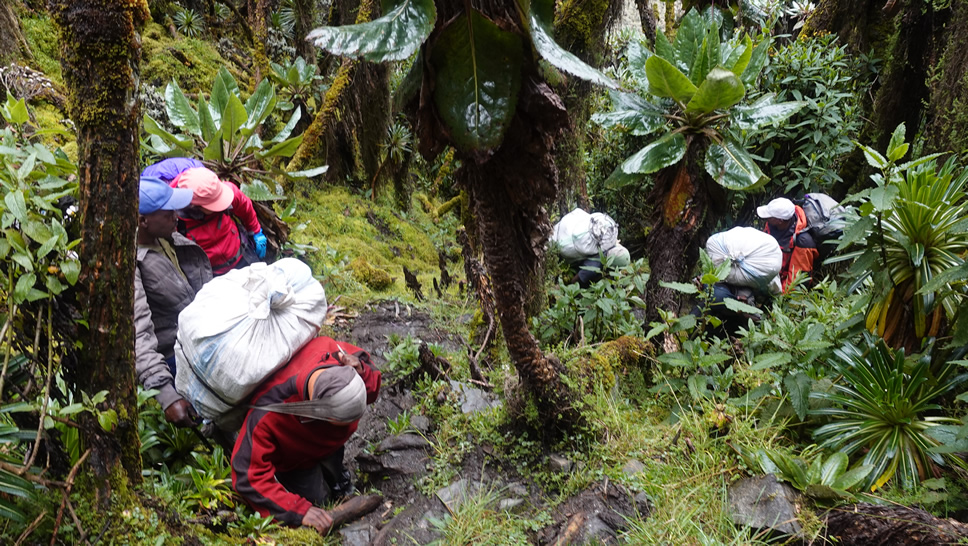
The weight they carry adds to this difficulty. Even with regulated limits, loads can still be heavy, especially when transporting construction materials or food supplies to higher camps. Long hours of walking under these conditions require strong endurance.
Weather is another major challenge. Cold temperatures, heavy mist, and sudden rainfall can make trails dangerous and reduce visibility. Porters often continue working in conditions where visibility is low and paths are slippery.
Equipment is sometimes limited. While many porters use basic boots and jackets, the environment often demands more specialized protection for long-term comfort and safety.
Despite these difficulties, porters continue their work with determination. Their resilience allows trekking routes in the Rwenzori Mountains to remain active and accessible throughout the season.
Responsible Trekking and Respect for Porters.
Responsible trekking in the Rwenzori Mountains begins with how visitors treat porters. These individuals are not just helpers but essential partners in the journey. Respecting their role ensures fairness and improves the overall trekking experience.
One important practice is respecting weight limits. Overloading porters leads to unnecessary strain and reduces safety on the trail. Trekkers should pack only essential items and avoid unnecessary baggage.
Proper gear is also important. Supporting porters with adequate clothing or equipment when possible helps them handle harsh conditions more comfortably.
Fair treatment includes respecting rest time. Porters work long hours, so allowing breaks and avoiding unnecessary pressure is essential.
It is also important to hire through trusted trekking organizations or registered local operators. This ensures fair pay, proper working conditions, and organized logistics.
Beyond logistics, respectful interaction matters. Simple communication, shared meals when appropriate, and appreciation for their work go a long way.
Responsible trekking supports both the environment and the people who maintain it. In the Rwenzori Mountains, this balance is key to sustaining safe and meaningful adventures for everyone involved.
Weight Limits and Fair Porter Use in the Rwenzori
- The recommended carrying limit for a porter is about 30 kg (66 lbs). In many cases, this load is shared between two trekkers to maintain fairness and safety.
- Each trekker typically contributes around 15 kg of luggage carried by the porter, while lighter personal items remain in the trekker’s backpack.
- If extra equipment is required, an additional porter can be hired, but this should always be done responsibly to avoid overburdening individuals.
- Proper packing is important. Organizing gear into labeled bags or separating essentials helps both trekkers and porters manage luggage more efficiently.
Ethical and Safety Guidelines When Hiring Porters
- Trekking responsibly in the Rwenzori Mountains necessitates treating porters fairly and with respect.
- Trekkers should ensure that porters are provided with proper clothing, footwear, and basic safety gear suitable for wet and cold mountain conditions.
- Weight limits must always be respected to avoid unnecessary strain.
- Rest breaks should be included during long trekking days, allowing porters to recover and maintain energy.
- Hiring should always be done through ethical and registered operators rather than informal or unverified sources.
- Porters should receive proper meals, accommodation, and fair working conditions throughout the trek.
- Respecting their working hours and personal space is equally important, as they are partners in the journey, not servants.
Conclusion: The Real Strength behind the Rwenzori Dream
The story of the Rwenzori Mountains is not only written in peaks, glaciers, and valleys. It is also carried on the backs and footsteps of mountain porters who make every expedition possible. Their strength supports every stage of the journey, from forest trails to alpine camps.
Without them, trekking in this region would be far more difficult and less accessible. They transport supplies, maintain camps, guide movement, and ensure that each part of the route remains functional. Their work connects every part of the mountain system.
What makes their role even more remarkable is their quiet dedication. They work in difficult weather, across steep terrain, and often without recognition. Yet their contribution is the foundation of every successful trek.
Understanding their importance changes how visitors experience the Rwenzori Mountains. The journey becomes more than a physical climb. It becomes a shared effort between trekkers and the people who know the mountain best.
In the end, the Rwenzori dream is not carried alone. It is carried by many, and most strongly by the porters whose strength keeps the Mountains of the Moon alive and accessible.