Rwenzori trekking Guides
Rwenzori Guides: The Driving Force behind Every Trek.
Rwenzori trekking guides are the unseen force that sets every Rwenzori trekking safaris in motion long before trekkers take their first step into the wild terrain of the Rwenzori Mountains. While visitors often arrive with excitement and anticipation, the real work has already begun behind the scenes. Routes have been studied, weather patterns observed, and plans carefully shaped to match both the environment and the people preparing to explore it.
The Rwenzori Mountains are not an ordinary trekking destination. They are rugged, unpredictable, and constantly changing. Thick forests, slippery bogs, and steep ridges create a landscape that demands attention at every turn. In such an environment, progress cannot be left to chance. It must be guided, controlled, and continuously adjusted.
This is where Rwenzori trekking guides take their place. They do not simply lead from the front; they create the conditions that allow movement to happen safely and steadily. Every decision they make contributes to the flow of the trek, ensuring that each step taken by the group is part of a larger, well-managed journey.
To the average trekker, the path may seem clear and the pace natural. In reality, every part of the experience is being shaped by the guide’s awareness and judgment. Without that guidance, even the simplest sections of the mountain could quickly become difficult or unsafe.
Movement with Purpose on the Trail
Once the trek begins, the presence of a Rwenzori trekking guide becomes more apparent, though their work often remains subtle. They move with the group, sometimes ahead, sometimes behind, always adjusting their position based on what the moment requires.
The trail in the Rwenzori Mountains is rarely straightforward. A section that appears easy can quickly become slippery after rainfall. A gentle slope can turn into a steep climb within minutes. In these moments, the guide becomes the steady force that keeps the group moving forward without confusion.
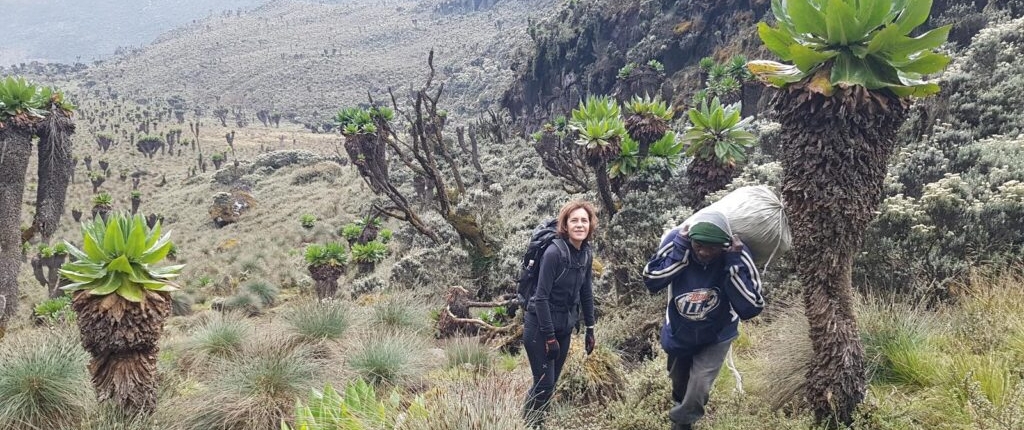
Consider a narrow path crossing a muddy valley. Each step must be placed carefully to avoid slipping. A guide will slow the group down, demonstrate the safest way forward, and ensure that each person crosses without unnecessary risk. These actions may seem small, but they prevent accidents and maintain confidence within the group.
Pacing is another critical element. Some trekkers begin with high energy and move too quickly, while others may struggle to keep up. The guide balances these differences, creating a rhythm that allows everyone to progress together. This steady movement is what makes long treks achievable.
In the Rwenzori, progress is not about speed. It is about consistency. Guides understand this deeply and shape the journey around it.
The Art of Reading the Mountain
A key strength of Rwenzori trekking guides lies in their ability to read the mountain. This skill goes beyond following a path. It involves observing subtle changes in the environment and responding before they become problems.
Clouds gathering over a ridge may signal incoming rain. A sudden drop in temperature might indicate worsening conditions at higher altitude. Even the texture of the ground can reveal whether a section of the trail will become unstable.
These observations allow guides to act early. They may adjust the route, shorten the day’s trek, or increase the pace to reach shelter before weather conditions change. To trekkers, these decisions may feel routine. In reality, they are often the difference between a smooth journey and a difficult one.
The ability to read the mountain also builds confidence within the group. Trekkers may not always understand the reasons behind certain decisions, but they can feel the effect. The journey remains controlled, even when conditions are uncertain.
This quiet awareness is one of the most valuable qualities a guide brings to the expedition. It allows the trek to continue with purpose, even in an environment that rarely stays the same.
Balancing People and Environment
Guiding in the Rwenzori Mountains is not only about understanding the terrain. It is also about understanding people. Each group of trekkers is different, bringing a mix of abilities, expectations, and personalities.
Some individuals may be physically strong but lack patience. Others may move slowly but remain determined. A guide must balance these differences without allowing them to disrupt the flow of the journey.
This balance requires constant attention. The guide observes how each person responds to the terrain, the altitude, and the daily challenges of the trek. Based on these observations, they adjust the pace and provide support where needed.

Encouragement plays an important role. During long climbs, even experienced trekkers can begin to doubt themselves. A few well-timed words can restore confidence and help someone continue.
At the same time, guides know when to maintain silence. Not every moment requires instruction or conversation. Sometimes, allowing trekkers to focus quietly on their steps is the best form of support.
By managing both the physical and emotional aspects of the journey, guides create a balanced experience that allows the entire group to move forward together.
Handling Pressure in Difficult Conditions
The Rwenzori Mountains are known for their challenging conditions, and guides often work under significant pressure. Weather can change rapidly, turning clear paths into slippery obstacles within hours.
Heavy rainfall is common and can make movement slow and demanding. Fog can reduce visibility, making navigation more complex. Cold temperatures at higher altitudes add another layer of difficulty.
In these conditions, the guide’s role becomes even more critical. Every decision must be made carefully, with safety as the top priority. There is little room for error, especially in remote areas where help is not easily accessible.
Altitude also presents a serious challenge. As the group climbs higher, oxygen levels decrease, and physical effort becomes more demanding. Guides must watch for signs of fatigue or discomfort, ensuring that trekkers are coping well with the conditions.
Managing these factors requires both experience and composure. A guide must remain calm, even when conditions are difficult. This calmness reassures the group and helps maintain order.
Despite the challenges, guides continue to lead with focus and determination. Their ability to handle pressure is what allows the trek to continue safely.
Creating Structure in a Remote Environment
One of the most important contributions of Rwenzori trekking guides is the structure they bring to an otherwise unpredictable environment. The mountains do not offer clear paths or consistent conditions. Without organization, a trek could easily become chaotic.
Guides create order through planning and coordination. Each day follows a general structure, with set times for starting, resting, and reaching camp. This structure helps manage energy and keeps the group on track.
They also coordinate with the support team, ensuring that camps are prepared and supplies are available when needed. This behind-the-scenes organization allows trekkers to focus on the journey without worrying about logistics.
Even in changing conditions, the guide maintains this structure. Adjustments are made when necessary, but the overall flow of the trek remains intact.
This sense of order transforms the experience. What could feel overwhelming becomes manageable. What could feel uncertain becomes clear.
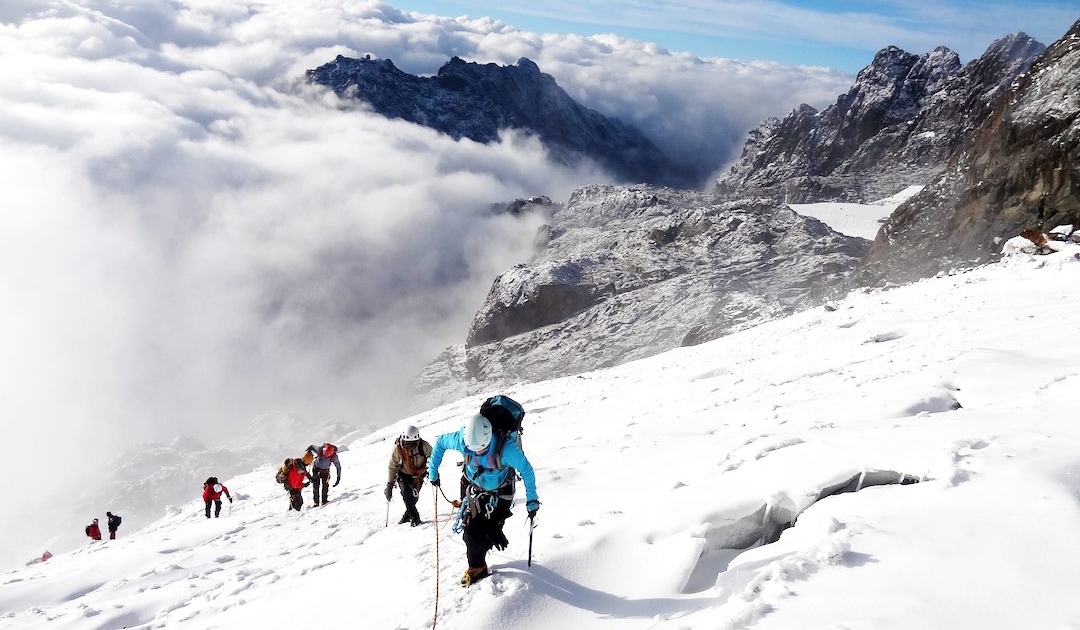
In this way, guides do more than lead—they create a framework that supports the entire journey.
The Impact on the Trekking Experience -Rwenzori Trekking Guides
The presence of a skilled guide shapes the entire trekking experience. Beyond safety and organization, they add depth and meaning to the journey.
As trekkers move through different sections of the mountain, guides often share insights about the environment. They point out unique plants, explain changing landscapes, and provide context that enriches the experience.
These moments turn the trek into more than a physical challenge. They create a connection between the traveler and the mountain.
Guides also influence how trekkers feel during the journey. A well-managed trek builds confidence, while a poorly managed one can create stress. The guide’s approach determines which of these experiences becomes reality.
Their professionalism contributes to the overall impression of the Rwenzori Mountains as a destination. Many visitors remember not just the landscape, but the quality of guidance they received.
Through their work, guides help create experiences that are both memorable and meaningful.
Conclusion: The Force That Drives Every Step
In the Rwenzori Mountains, every successful trek is the result of careful planning, steady movement, and thoughtful decision-making. At the center of all this are the guides who make it possible.
They do not simply lead the way. They shape the journey, control its pace, and respond to challenges as they arise. Their presence turns uncertainty into structure and effort into achievement.
From the first step to the final descent, they carry the responsibility of the entire expedition. Every safe crossing, every well-timed decision, and every completed trek reflects their work.
Rwenzori Trekking guides are more than leaders. They are the driving force behind every trek, ensuring that each journey through the mountains is not only possible but truly rewarding.
Without them, the Rwenzori would remain a difficult and unpredictable landscape. With them, it becomes a place of discovery, challenge, and unforgettable experience
Leave a Reply
Want to join the discussion?Feel free to contribute!